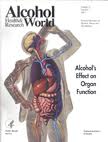
 Certain alcohol effects are more obvious than others, including dizziness and the inevitable headache that follows. However, there are many other short-term alcohol effects that occur as the stomach absorbs alcohol, which also enters the bloodstream and proceeds to the tissues. The actual effects depend on a variety of factors, including an individual's size and weight, age, sex and the amount of food and/or alcohol consumed.
 Popular Posts
-
 A psychoactive drug, psychopharmaceutical, or psychotropic is a chemical substance that crosses the blood-brain barrier and acts primarily u...
 -
 You know? Since the early 1960s, however, drugs have been in very widespread use. People have Used drugs for as long as They have tried to e...
 -
 REHAB or Drug rehabilitation is a term for the processes of medical and/or psychotherapeutic treatment, for dependency on psychoactive subs...
Showing posts with label alcoholic. Show all posts
Showing posts with label alcoholic. Show all posts
Short-Term & Long-Term Alcohol Effects
Find out how a former problem drinker managed against all the odds to overcome his problem drinking forever.
Certain alcohol effects are more obvious than others, including dizziness and the inevitable headache that follows. However, there are many other short-term alcohol effects that occur as the stomach absorbs alcohol, which also enters the bloodstream and proceeds to the tissues. The actual effects depend on a variety of factors, including an individual's size and weight, age, sex and the amount of food and/or alcohol consumed.
Certain alcohol effects are more obvious than others, including dizziness and the inevitable headache that follows. However, there are many other short-term alcohol effects that occur as the stomach absorbs alcohol, which also enters the bloodstream and proceeds to the tissues. The actual effects depend on a variety of factors, including an individual's size and weight, age, sex and the amount of food and/or alcohol consumed. if you or someone you love has an alcohol problem, this is the first step in recovery.

1. Have you ever tried to cut down on your drinking?
2. Have you ever felt annoyed when someone talked to you about your drinking?
3. Have you ever felt bad or guilty about your drinking?
4.Have you ever used alcohol in the morning to settle yourself down?
Two or more affirmative answers indicate probable alcoholism.
Alcohol Abuse and Alcoholism
Many people drink a small or moderate amount of alcohol to relax and enhance their social activities. Using alcohol in this way is not harmful for most adults.
 However, people whose use of alcohol has negative effects on any aspect of their lives, including health, relationships, work or school and money, are considered to have an alcohol problem. These problems can range from mild to severe. The severity of an alcohol problem depends on factors including the type of alcohol you drink, how much you drink, and how long you have been drinking.
Experts divide levels of alcohol use and abuse into the following categories in terms of risk for developing problems:
However, people whose use of alcohol has negative effects on any aspect of their lives, including health, relationships, work or school and money, are considered to have an alcohol problem. These problems can range from mild to severe. The severity of an alcohol problem depends on factors including the type of alcohol you drink, how much you drink, and how long you have been drinking.Experts divide levels of alcohol use and abuse into the following categories in terms of risk for developing problems:
Thinking About a Change?

The decision to change your drinking is up to you. Mixed feelings are normal. It can help to weigh your pros and cons using our interactive worksheet. Don’t wait to “hit bottom,” as changing sooner rather than later is always better. Once you’re ready to cut down or quit, you’ll find many helpful suggestions in the links below.
Subscribe to:
Posts (Atom)