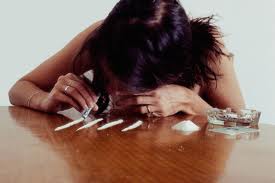
For some teens the use of drugs becomes a significant problem that negatively impacts their school performance, relationships, mood and motivation. Troubled teens who are abusing or addicted to drugs may need a structured, intensive program to stop using and learn how to function effectively without drugs.
What You Need to Know About Residential Drug Treatment Programs
The lure of continuing to return to friends and situations involving drugs makes it difficult for teens to stop repeating this destructive pattern. Residential programs offer the same services as outpatient programs in a more structured and supportive setting.
Popular Posts
-
You know? Since the early 1960s, however, drugs have been in very widespread use. People have Used drugs for as long as They have tried to e...
-
A psychoactive drug, psychopharmaceutical, or psychotropic is a chemical substance that crosses the blood-brain barrier and acts primarily u...
-
REHAB or Drug rehabilitation is a term for the processes of medical and/or psychotherapeutic treatment, for dependency on psychoactive subs...
Showing posts with label Drug. Show all posts
How a Psychological Evaluation May Help Your Troubled Teen
Having your troubled teen get a psychological evaluation may be an important step in getting the right help for your teen.
What is a psychological evaluation?
How to Raise a Drug-Free Teen
While there are many tough issues when raising teens that can strike fear in the heart of a parent, teen drug use might be number one. But parents can't allow fears to force them to ignore drug concerns in their teen's life - and all teens have them! Each and every teenager knows someone in school who experiments or readily uses drugs. Every teen has seen it on television or in the news.
To empower a drug-free teen you'll need to put your fear aside and meet this issue head on. You can keep your teen drug-free, or start them on a drug-free path if they have been experimenting already, because this issue is not bigger than your loving influence.
How To Set the Rules: Teens and Drug Use
While your teen is learning to become independent, you will still need to guide the way. This is especially true when it comes to serious issues like drug use because it is not just your teen you are dealing with. There are the drug dealers who would love to get to your child or the negative peers who would use your child to valid their drug using behavior. Therefore, it is very important you make a conscience effort to set the rules where teen drug use is concerned.
Here's How:
1. Tell your teen that drug use of any kind will not be tolerated in your family. Be clear so that there is no interpretation. Ask if he understands these expectations.
2. Ask your teen if there are any questions. Be prepared to answer these and bring up a few of your own if you feel more information needs to be discussed. Continue talking to your teen about drugs after the rules have been set.
3. Establish the consequences for breaking the rules. Be firm with them. Once these are set, think of the consequences as black and white – no gray area here. Don’t let your teen off the hook or add consequences when a rule is broken.
4. Check up on your teenager. When he tells you his plans, check them with other parents. Let your teen know that you take the role as his parent very seriously.
To empower a drug-free teen you'll need to put your fear aside and meet this issue head on. You can keep your teen drug-free, or start them on a drug-free path if they have been experimenting already, because this issue is not bigger than your loving influence.
How To Set the Rules: Teens and Drug Use
While your teen is learning to become independent, you will still need to guide the way. This is especially true when it comes to serious issues like drug use because it is not just your teen you are dealing with. There are the drug dealers who would love to get to your child or the negative peers who would use your child to valid their drug using behavior. Therefore, it is very important you make a conscience effort to set the rules where teen drug use is concerned.
Here's How:
1. Tell your teen that drug use of any kind will not be tolerated in your family. Be clear so that there is no interpretation. Ask if he understands these expectations.
2. Ask your teen if there are any questions. Be prepared to answer these and bring up a few of your own if you feel more information needs to be discussed. Continue talking to your teen about drugs after the rules have been set.
3. Establish the consequences for breaking the rules. Be firm with them. Once these are set, think of the consequences as black and white – no gray area here. Don’t let your teen off the hook or add consequences when a rule is broken.
4. Check up on your teenager. When he tells you his plans, check them with other parents. Let your teen know that you take the role as his parent very seriously.
Warning Signs of Teen Drug Use
There are many warning signs of drug use and abuse in teenagers. The challenge for parents is to distinguish between the normal, sometimes volatile, ups and downs of the teen years and the red flags of substance abuse.1. Being secretive about friends, possessions, and activities.
2. New interest in clothing, music, and other items that highlight drug use.
3. Demanding more privacy; locking doors; avoiding eye contact; sneaking around.
4. Skipping class; declining grades; suddenly getting into trouble at school.
5. Missing money, valuables, or prescriptions.
6. Acting uncharacteristically isolated, withdrawn, or depressed.
7. Using incense, perfume, or air freshener to hide the smell of smoke or drugs.
8. Using eyedrops to mask bloodshot eyes or dilated pupils.
Drug Addiction in a Fact Now
Drug dependence or addiction occurs Pls use the drug develop a physical or emotional "need" for a drug. They are Unable to control your use of a drug despite the negative impact it has on your life. You May not be aware That you have changed from dependence on a drug Until you try to stop taking it.
Drugs? Is it Really They Wanted?
Drug abuse includes the use of illegal drugs and the abuse of legal prescription and nonprescription drugs. What is the illegal drugs? There such as marijuana, methamphetamines, cocaine, heroin, or other "street drugs". And why some people use drugs? They use drugs to get a "high" or to relieve stress and emotional problems.
What is needed is the support of drug users closest
It is too easy to blame the drug problem on “social unrest” or the “pace of modern society.” Drug users have been found to have begun taking drugs because of physical suffering or hopelessness. The user, driven by pain and environmental hopelessness, continues to take drugs. Though he doesn’t want to be an addict, he doesn’t feel that there is any other way out.
Why do Teens Choose Their Drugs as an Escape
You know? Since the early 1960s, however, drugs have been in very widespread use. People have Used drugs for as long as They have tried to ease pain and Avoid problems. Before That rare time They were the resource persons. A worldwide spread of drugs occurred That During the decade, and a large percentage of people Became drug-takers. Drugs are supposed to do but all wonderful Things They really do is ruin the person.The best solution we have to do for druggers
Drug abuse causes multiple problems for countries and communities. The medical and psychological effects are very obvious. Addicts can not function as normal members of society. They neglect or abuse Their Families, and eventually require expensive treatment or Hospitalization. The second effect is on crime.
The Use of Drugs by Our Youth Today
I'm having concerns about the effects of drug use for adolescents. Actually, whether long-term consequences arising from drug use for adolescents. Whether such losses can be overcome by a supportive social network.When an individual persists in use of alcohol or other drugs despite problems related to use of the substance, substance dependence May be diagnosed. Compulsive and repetitive use May result in tolerance to the effects of the drug and withdrawal symptoms Pls use is reduced or stopped.
Why is Marijuana Rehab So Important?
Long-term, heavy marijuana use can have a profoundly negative impact on the life of the user. Marijuana erodes an individual’s drive and motivation. Individuals will lose interest in the things they once loved and not just hobbies and activities but friends and family as well. In addition, it has now been proven through extensive research that marijuana is (as was initially feared) a “gateway” drug into both alcohol and harder drugs such as heroin and other substances. Finally, marijuana simply turns people into a shell of their former selves. Marijuana rehab helps restore vitality and energy to the individual who has been robbed of these qualities by years of smoking pot.
Marijuana as Medicine
Although U.S. law classifies marijuana as a Schedule I controlled substance (which means it has no acceptable medical use), a number of patients claim that smoking pot has helped them deal with pain or relieved the symptoms of glaucoma, the loss of appetite that accompanies AIDS, or nausea caused by cancer chemotherapy. There is, however, no solid evidence that smoking marijuana creates any greater benefits than approved medications (including oral THC) now used to treat these patients, relieve their suffering, or mitigate the side effects of their treatment. Anecdotal assertions of beneficial effects have yet to be confirmed by controlled scientific research.
Facts About Marijuana
Marijuana is the most commonly abused illicit drug in the United States. It is a dry, shredded green and brown mix of flowers, stems, seeds, and leaves derived from the hemp plant Cannabis sativa.The main active chemical in marijuana is delta-9-tetrahydrocannabinol, or THC for short.
What is Marijuana?
Keep your Son or Daughter from Drugs
We truly hope that you will discover that your teen is not using drugs. If you received negative or positive results, please continue to test on a frequent and random basis. A home testing program really does give kids a "peer pressure free" to say "NO...my parents drug test me".Results of a positive drug test should not be used merely to punish your child. Drug and alcohol use very often leads to addiction, and punishment alone may not necessarily halt this progression. However, the road to addiction can be blocked by timely intervention and appropriate treatment.
Cocaine Effects
Cocaine benzoylmethylecgonine (INN) is a crystalline tropane alkaloid that is obtained from the leaves of the coca plant. The name comes from "coca" in addition to the alkaloid suffix -ine, forming cocaine. It is a stimulant of the central nervous system, an appetite suppressant, and a topical anesthetic. Specifically, it is a serotonin–norepinephrine–dopamine reuptake inhibitor, which mediates functionality of these neurotransmitters as an exogenous catecholamine transporter ligand. Because of the way it affects the mesolimbic reward pathway, cocaine is addictive.How If Overdose
Many street drugs have no therapeutic benefits. Any use of these drugs is a form of drug abuse.Legitimate medications can be abused by people who take more than the recommended dose or who intentionally take them with alcohol or other drugs.
Drug interactions may also produce adverse effects. Therefore, it is important to let your doctor know about all the drugs you are taking, including vitamins and other over-the-counter medications.
Rehab and Threatment for druggers
REHAB or Drug rehabilitation is a term for the processes of medical and/or psychotherapeutic treatment, for dependency on psychoactive substances such as alcohol, prescription drugs, and so-called street drugs such as cocaine, heroin or amphetamines. The general intent is to enable the patient to cease substance abuse, in order to avoid the psychological, legal, financial, social, and physical consequences that can be caused, especially by extreme abuse. Types of treatment
Heroin Dangers and Overdose
Overdose
The biggest risk is death from overdose. It's impossible to judge the purity of street heroin. Many accidental overdoses have occurred when a batch of particularly pure heroin is released onto the streets, overwhelming the built-up tolerances of regular users.
Smoking or snorting, rather than injecting, reduces the chance of overdosing but does not eliminate it.
The biggest risk is death from overdose. It's impossible to judge the purity of street heroin. Many accidental overdoses have occurred when a batch of particularly pure heroin is released onto the streets, overwhelming the built-up tolerances of regular users.Smoking or snorting, rather than injecting, reduces the chance of overdosing but does not eliminate it.
Heroin and Consequently
What is Heroin
Heroin or Putau is a low-level form of heroin. Heroin comes from opium poppies, a flower in hot and dry climate. Flower produces a sticky substance that became the forerunner of heroin, opium, morphine and codeine. Heroin is a depressant. Depressant drugs do not immediately make you feel depressed. These substances slow down the messages from the brain to the body and vice versa. Some other names of these substances is powder, white.SYMPTOMS DRUG USERS
Some say said if we consume our drugs like walking on clouds and like playing in heaven. "DO NOT RELIABLE" it's all a big lie, it's still first we did feel we enjoy but over time can be difficult. It is the first time we consume illicit objects (drugs), we feel like flying into a cloud but it could plunge actually us into the valley of sin, because if we are taking this drug just like we hurt ourselves.
Here are the symptoms caused by this illicit drug:

1. Opiat (heroin, morfin):
- feeling happy and happy
- indifference (apathy)
- lazy move
- drowsiness
- nausea
- slurred speech
- smaller pupils (dilated if overdose)
- disorders of attention / memory
Here are the symptoms caused by this illicit drug:

1. Opiat (heroin, morfin):
- feeling happy and happy
- indifference (apathy)
- lazy move
- drowsiness
- nausea
- slurred speech
- smaller pupils (dilated if overdose)
- disorders of attention / memory
Subscribe to:
Posts (Atom)